
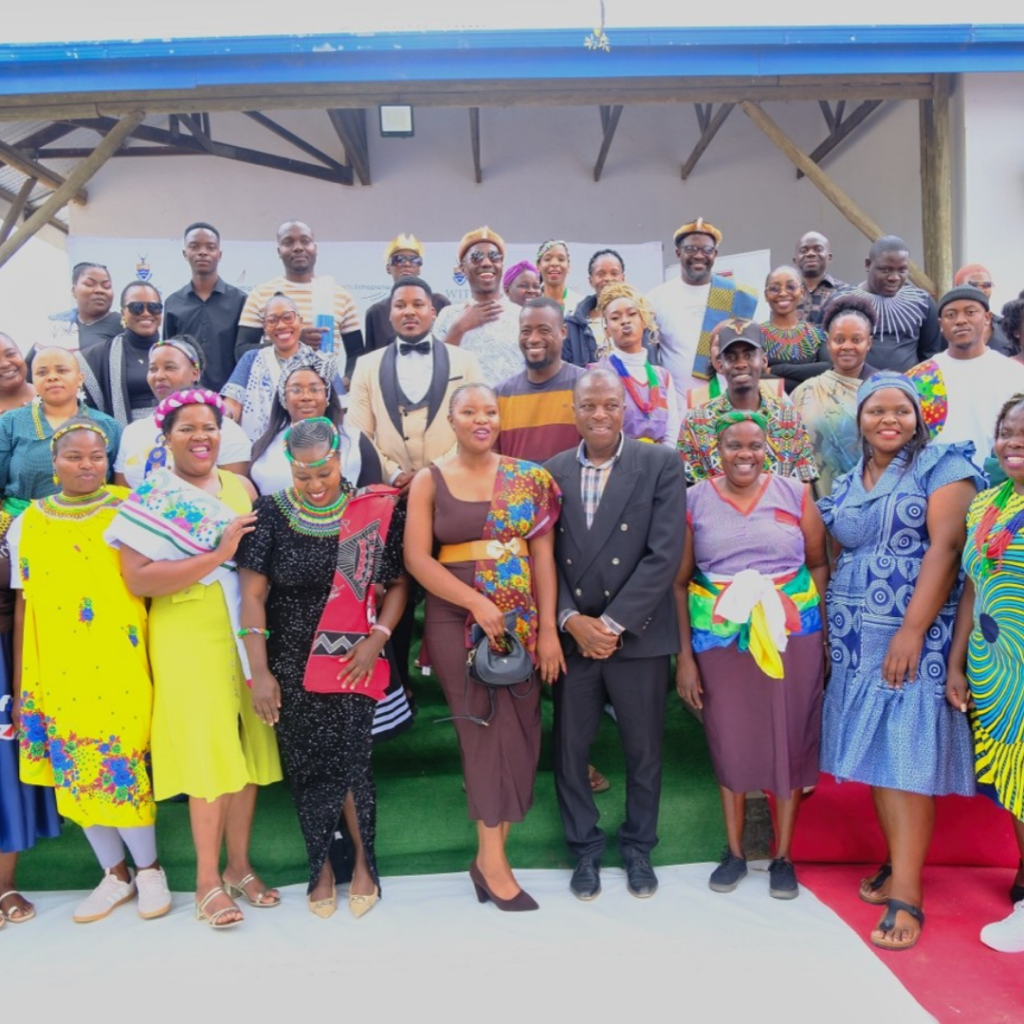
Sixty participants have received six months of intensive entrepreneurship training through a partnership between BANKSETA, the SAMRC/Wits Rural Public Health and Health Transitions Research Unit (Agincourt) and the Wits Entrepreneurship Clinic, helping address the gap between starting a small business and having the skills to sustain it.
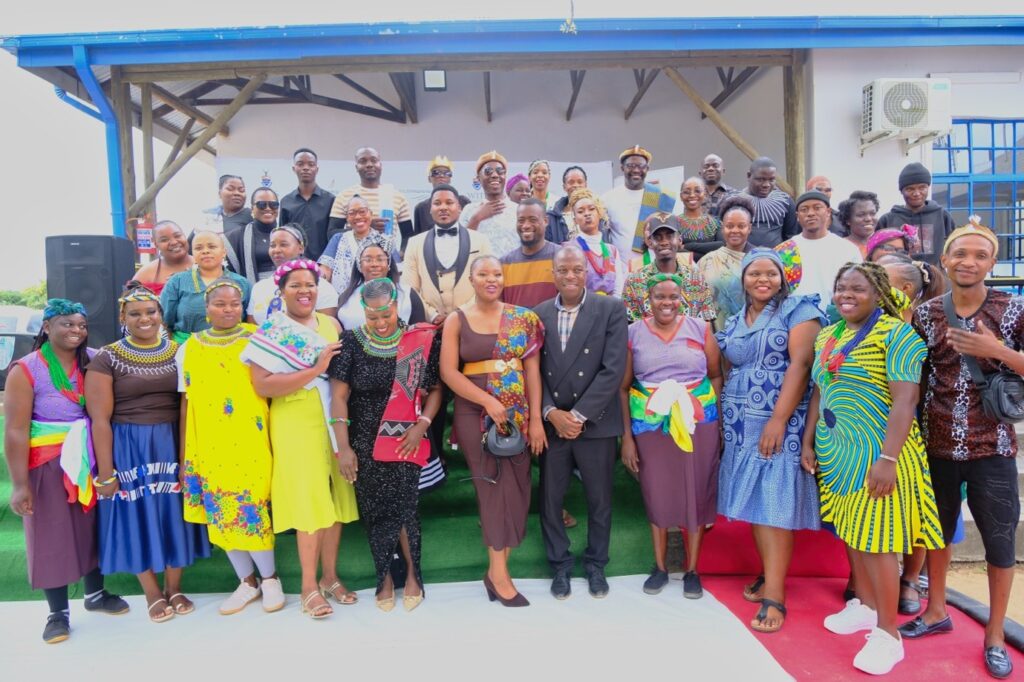
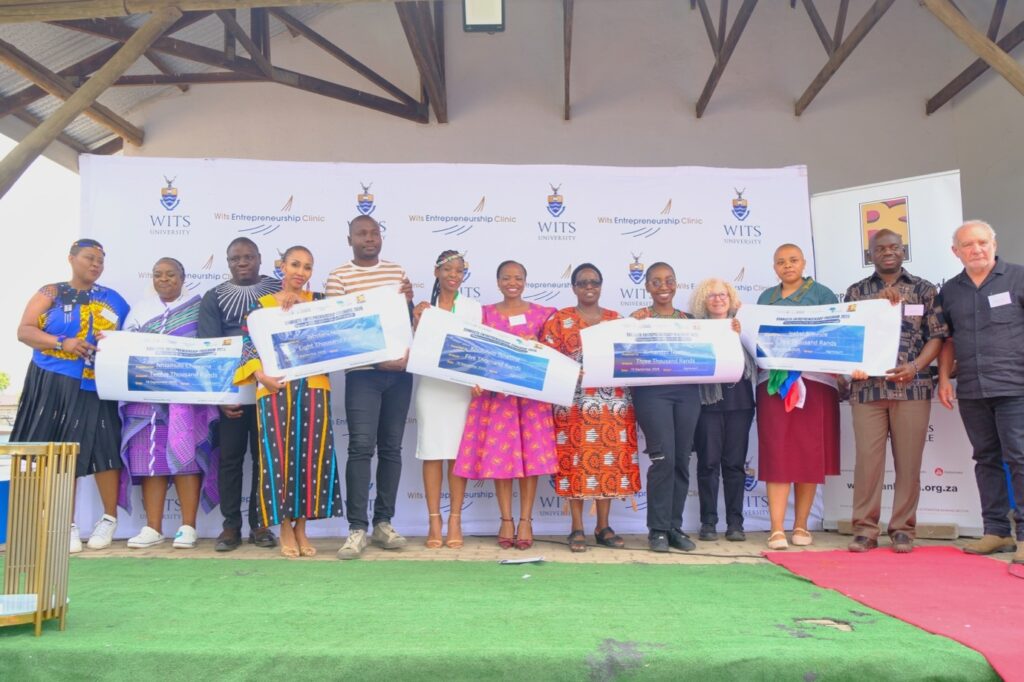
The closing ceremony for the 2026 cohort, held in Bushbuckridge in Mpumalanga, recognised participants in the BANKSETA Business Support Programme. The initiative brings together BANKSETA funding, business expertise from Wits’ School of Business Sciences, specialist entrepreneurship incubation from the Wits Entrepreneurship Clinic and Agincourt’s decades of engagement with rural communities.
For Ngoni Ngwarai, Assistant Director of Systems and Operations at the SAMRC/Wits-Agincourt Research Unit, the partnership responds to challenges that the Unit encounters through its population-health research and work with communities.
“The area continues to experience high levels of unemployment especially amongst the youth leading to high levels of poverty,” he says.
Community members are already pursuing small business opportunities, Ngwarai explains, but many lack the skills needed to manage and grow their enterprises. The partnership provides structured training to help close that gap.
The 2026 cohort follows an earlier group of 60 learners trained in 2024.
Investing in local enterprise
BANKSETA’s funding enables the partners to deliver the six-month programme, connecting rural entrepreneurs with business training and university expertise.
Said Elelwani Netshituni, BANKSETA Regional Manager for Limpopo and Mpumalanga, “Rural entrepreneurs are already finding ways to earn a living in difficult conditions. Our role is to help them develop the skills to build more sustainable businesses. Through this partnership, we can bring university expertise into communities where access to business support is often limited. We want this investment in training to help entrepreneurs support their households and, as their businesses grow, create opportunities for others.”
The Wits Entrepreneurship Clinic, hosted by the School of Business Sciences, provides the programme’s entrepreneurship expertise. Its collaboration with Agincourt connects that knowledge with a research unit that has worked closely with local communities since 1992.
“Entrepreneurship training has to connect with the decisions a business owner makes every day, from setting prices to managing cash flow and finding customers. Working with Agincourt helps us understand the conditions in which these businesses operate, so that the support is relevant to participants’ circumstances. The partnership also gives us an opportunity to learn from entrepreneurs themselves and bring that understanding into our teaching and research,” says Dr Khosi Radebe, director of the Wits Entrepreneurship Clinic.
Connecting livelihoods and health
Wits-Agincourt’s research has documented the conditions in which rural households live, alongside persistent challenges to health and livelihoods. Supporting local enterprise offers a practical way to respond to some of those needs.
According to Ngwarai, the experience demonstrates “both the need and demand for a tailored service package focused on skills development, entrepreneurship, and community development”.
The collaboration draws on different strengths within Wits: Agincourt’s knowledge of the communities and its established relationships, and the Entrepreneurship Clinic’s expertise in business development. BANKSETA provides the funding to bring these together.
Ngwarai describes the partnership as demonstrating how the Unit can “deliver structured, high-quality skills development and entrepreneurship programmes to communities”.
The longer-term aim is to help participants build businesses that can support their households and contribute to local livelihoods.